
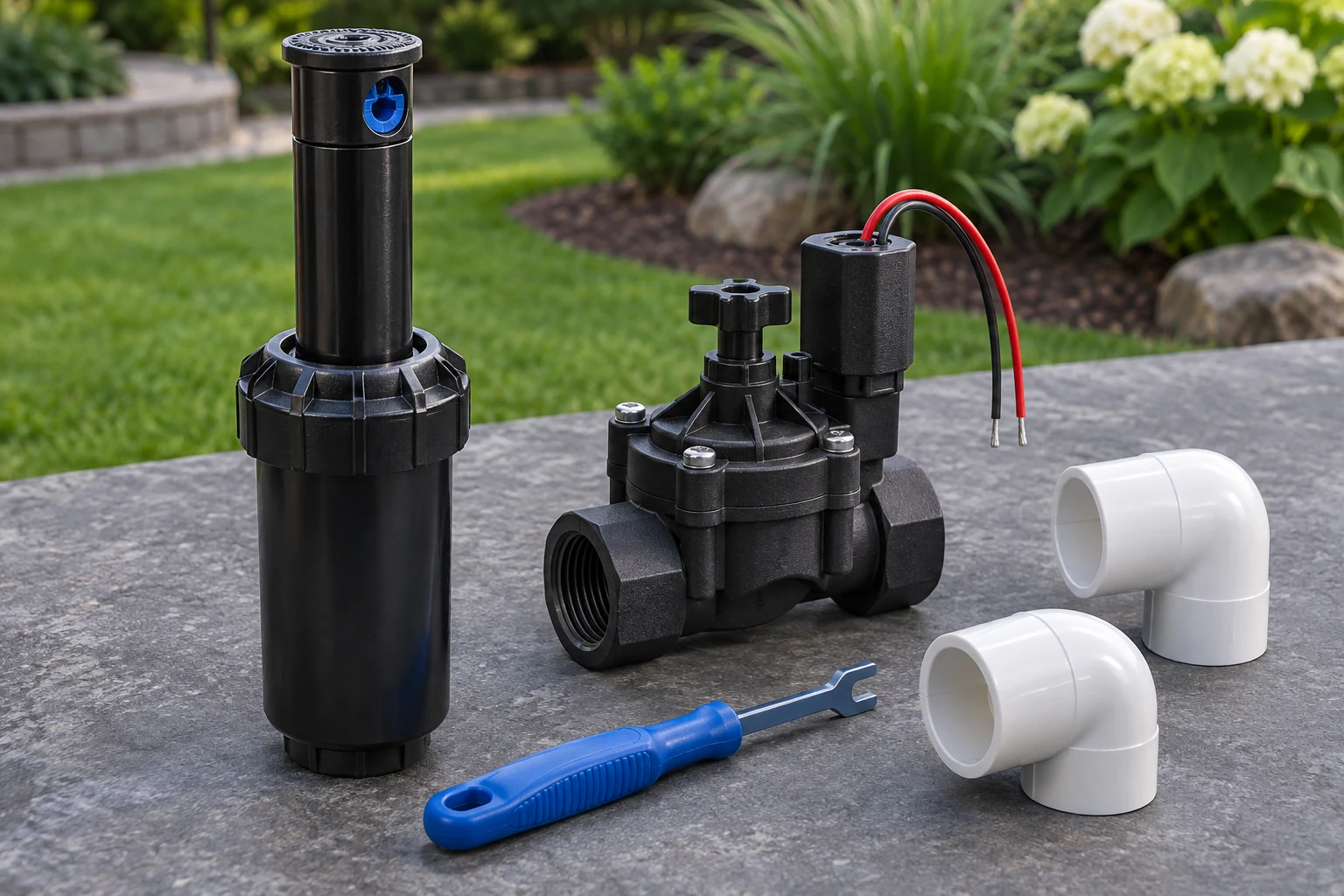
When a sprinkler system stops watering the way it should, start with the symptom you can describe. Irri-Tex LLC serves Whitehouse with sprinkler repair and other irrigation services. A head spraying in the wrong direction, a zone that stays quiet, or water collecting where it normally does not can each point toward a different next step. You do not need to identify the failed part before calling. Tell Irri-Tex what changed, where it happens, and whether the rest of the system still works. That information helps turn a general concern into a useful repair conversation.
Describe one sprinkler problem at a time
Separate the issues you notice instead of describing the entire system as broken. Perhaps one head is damaged near a walkway while a different zone leaves a dry corner. Those concerns may be related, but they may also need different work. Explain which changes happened together and which have existed for longer. A short written list can keep important details from getting lost during the initial conversation.
If you know the controller's zone labels, include them. If you do not, describe the area in ordinary terms such as the front lawn or the bed beside the driveway. Avoid changing several settings just to see what happens before describing the original symptom. Information about the system's normal behavior is useful when deciding what needs closer attention.
Broken heads and watering beyond the lawn
A visibly damaged sprinkler is easier to describe than an underground concern, but choosing a replacement still involves the existing setup. Note whether the head is tilted, missing, struck by equipment, or directing water onto paving. Take a clear photograph from outside the spray pattern. Mention nearby plants or edging that may now interfere with coverage, particularly if the issue appeared after landscaping work.
A repair conversation should include both the damaged component and how that area is supposed to be watered. Replacing a visible part does not automatically address an unrelated coverage problem. Ask what the proposed repair is intended to correct and whether any adjustment or additional work is separate. This helps keep the scope tied to the concern you actually want resolved.
When a sprinkler zone will not run
If one area is not watering, note whether the controller appears to start its scheduled cycle and whether other areas operate normally. You can share information visible on the controller without opening equipment or attempting electrical work. A photo of the display, the zone label, and any message you see can help communicate the situation. Explain whether the problem began suddenly or followed another project.
Several different conditions can produce a similar visible result, so a nonworking zone should not be diagnosed solely from a description. Ask Irri-Tex what assessment is needed before parts or repair work are selected. Clarify how findings will be explained and how any change in the proposed scope will be handled. That is especially useful when the equipment's age or repair history is uncertain.
Repair, tune-up, or new sprinkler installation?
Sprinkler repair focuses on a particular fault or damaged component. A tune-up is a useful service to discuss when the system operates but coverage and settings need attention. A new irrigation installation is a broader planning conversation about the property and the system you want. These options should follow the condition and goals of the property, rather than an assumption that every older system needs replacement.
Tell Irri-Tex whether you want to restore existing performance, accommodate a changed landscape, or consider an entirely new layout. If more than one option is reasonable, ask what each would accomplish and what limitations would remain. A focused repair may be enough for one homeowner's needs, while a planned landscape change can justify considering a larger scope at the same time.
Prepare for a Whitehouse sprinkler repair conversation
Have your property location, a brief description of the issue, and any available system information ready. Useful records can include earlier repair notes, a basic zone list, or a photograph of the controller. Mention gates, access restrictions, new paving, pets, or planned construction that could affect a visit. Confirm appointment availability directly; the website does not display a live service calendar.
You can call 903-752-4861 or prepare a text through the contact page. The message builder lets you review the details before sending them from your own phone. Include the most useful observations first instead of trying to diagnose every component. Clear photos and a simple timeline are often a better introduction than a long list of possible causes found online.
Understand the repair scope before moving forward
Ask what is included in the proposed work and what will be evaluated separately. Depending on the issue, the discussion may involve components, access, excavation, adjustments, or restoration of a disturbed area. Do not assume that a quote for one visible repair includes every concern elsewhere in the yard. Identify your priorities so the recommended work can be explained against those priorities.
Cost and timing should come from the actual scope. A general website cannot establish the price of an unseen repair, and photographs may not reveal every site condition. Ask how additional findings would be communicated before extra work proceeds. Keep the explanation and any resulting records with your property information so a later project can build on a clear understanding of the system.
Coordinate irrigation with the rest of your property
Irri-Tex also offers drainage, septic, and landscape lighting services. If your Whitehouse project involves more than sprinkler repair, mention the larger plan at the beginning. A new planting bed, lighting layout, drain route, or hard surface can affect where irrigation equipment belongs. Discuss how separate scopes relate rather than treating each improvement as though nothing else exists in the yard.
Recurring wetness deserves a careful description as well. Explain whether you notice it after rain, after irrigation, or between watering cycles. That helps frame a conversation about the source of the water without assuming that every wet spot requires a drain. The service pages below provide more detail on sprinkler repair, tune-ups, installation, and drainage so you can prepare questions suited to your own property.
Whitehouse irrigation questions
Does Irri-Tex provide sprinkler repair in Whitehouse?
Yes. Irri-Tex serves Whitehouse. Contact Irri-Tex LLC at 903-752-4861 with your property location and the issue you want addressed. Confirm availability and the specific repair scope directly with the business.
Can I send pictures of a broken sprinkler before a visit?
Yes, photographs can help you explain a visible issue. Include the affected component, its surrounding area, and the controller if relevant. Pictures support the conversation, but they do not replace assessing conditions that are hidden or unclear.
Does every weak sprinkler need a new head?
A weak spray does not by itself establish which component needs replacement. Describe whether the issue affects one head or several in the same zone. Ask for the cause to be assessed before assuming that replacing the visible head will resolve it.
Can I discuss a tune-up and repair together?
Yes. Explain the specific problem as well as any broader coverage or scheduling concerns. Ask which items belong to the repair and which belong to the tune-up so you understand the work being considered and any separate scope.
Tell us about your Whitehouse property.
Start with the issue you see and the result you want. Call Irri-Tex LLC at 903-752-4861 or prepare a project text.
Start your project conversation