
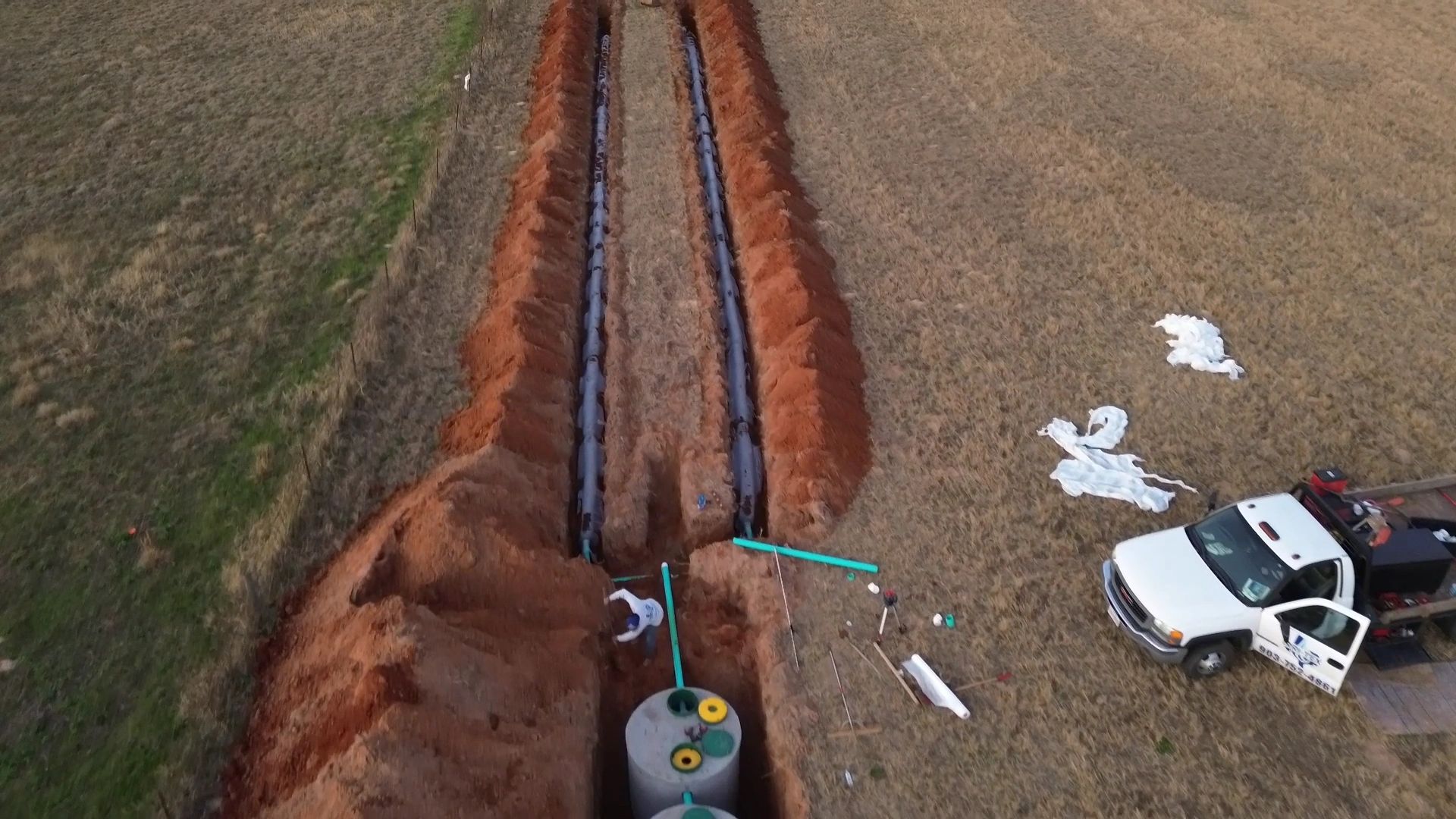
A septic concern can interrupt the routine of an entire household. Before deciding that a tank needs replacement, it is important to understand what is happening and which part of the system is involved. Irri-Tex LLC offers septic tank repair in Tyler and East Texas. Start by describing the symptoms, when they began, and any previous work. A clear account of the problem helps shape the next step toward an informed repair decision.
A repair should address an identified problem
The phrase septic tank problem can describe several different concerns. A homeowner may notice a change indoors, an odor outside, or an issue identified during a previous service visit. Those observations are useful, but they do not establish the cause by themselves. The tank, connecting lines, treatment equipment, and disposal area have different roles. A practical assessment needs to distinguish among them before a repair scope is selected.
When describing your concern, separate what you observed from what someone suggested might be wrong. For example, a recurring symptom after a previous visit is important history, while an informal guess about a damaged tank remains a question to investigate. This approach keeps the conversation focused on evidence and helps avoid treating the first explanation as a confirmed diagnosis.
Make a short record of the symptoms
Write down when you first noticed the problem, whether it is constant or occasional, and what changed around that time. Mention recent construction, landscaping, service visits, or changes in household use. If several people live in the home, compare observations before the call. One person may have noticed an outdoor change while another has been dealing with a plumbing symptom indoors.
Photographs taken from a safe location can help explain visible conditions. Keep old invoices and inspection records available if you have them. Do not open a tank, remove a cover, or enter an unsafe area to gather more information. A useful record does not require you to investigate underground equipment yourself. Describing what you can observe safely is enough to begin a productive conversation about septic tank repair.
Understand repair, replacement, and further evaluation
Not every concern has the same remedy. The appropriate next step depends on the condition of the affected components, the nature of the problem, and the requirements that apply to the work. A repair may be reasonable in one situation while another requires additional evaluation or a different scope. Ask what the findings show, what remains uncertain, and why the recommended approach fits your situation.
A clear explanation should also address alternatives where they are relevant. If replacement is being discussed, ask why a smaller repair would not adequately address the issue. If a limited repair is proposed, ask what it is expected to resolve and what falls outside that work. These questions help you compare options without assuming either the smallest job or the largest job is automatically the best decision.
Keep safety and property access part of the plan
Septic tanks and their contents require professional handling. Keep children, pets, and visitors away from damaged covers, exposed openings, and suspected wastewater. Never enter a tank. If you observe a condition that appears unsafe, describe it when arranging help so the concern is understood before anyone arrives. A property owner should not need to take risks to prove that service is needed.
For planned work, discuss access to the affected area and any obstacles that might matter. Gates, fences, parked vehicles, delicate landscaping, and other site features can influence how a visit is organized. Explain what you know about the tank location without guessing at underground lines. Ask what preparation is appropriate for your project, and leave excavation or component access to the people responsible for the work.
Look beyond a temporary change in symptoms
A symptom that disappears briefly does not necessarily explain its cause. If a problem returns, the sequence of events matters. Tell Irri-Tex LLC whether earlier work changed the symptom, how long that change lasted, and whether the current concern is identical or different. This history can help the next assessment focus on what has already been tried and what still needs to be understood.
Keep the scope of each service clear. Tank pumping, mechanical repair, plumbing work, and system replacement are different activities. An invoice for one does not demonstrate that every part of the system was evaluated or repaired. Ask which tasks are included in the proposed visit and whether a separate service provider or additional assessment is needed for another part of the problem.
Questions to ask before approving septic repair work
Before agreeing to a repair, ask for a plain-language description of the issue and proposed work. Understand which components are included, how access will be handled, and what restoration is part of the scope. Ask whether further findings could change the recommendation and how those changes would be discussed with you. A defined approval process is especially useful when some conditions cannot be fully assessed until work begins.
Also discuss the practical effects on the household. Ask what instructions apply during the work and when normal use can resume. Confirm how required review or approvals will be addressed where applicable. Written details help you make a decision and provide a useful reference later. If an explanation is unclear, ask for it to be restated before the project moves forward.
Document the result and the next steps
After a repair, keep a record of the work completed, the date, and any instructions provided. Ask what was found and whether any separate issues remain outside the finished scope. If the location or configuration of a component changed, keep that information with the property records. Good documentation gives future service conversations a starting point beyond memory or a vague description of an old repair.
Discuss what to watch for as the system returns to normal use. If the original symptom continues, report it along with the timing and any new observations. Do not assume that repeated symptoms are necessarily the same fault, and do not hide a concern because work was recently completed. Clear follow-up information supports a more useful conversation about whether another assessment is appropriate.
Talk with Irri-Tex LLC about your septic tank concern
For septic tank repair in Tyler and East Texas, call (903) 752-4861. Explain the symptoms, the property location, and whether there is an immediate safety concern. Mention any previous service records you can share and ask about the next appropriate step. Scheduling and the final scope should be confirmed directly based on your circumstances.
You do not have to decide between repair and replacement before reaching out. Begin with an accurate description, then work toward an assessment and a clearly explained recommendation. A well-defined repair conversation helps you understand the work being considered, the decisions you need to make, and the information worth keeping once the job is complete.
Septic Tank Repair: your questions answered
Does a septic problem always mean the tank must be replaced?
No. Similar symptoms can have different causes, and the tank is only one part of the system. The condition of the components and the assessment findings should guide whether repair, replacement, or another step is appropriate.
Should I uncover the tank before a service visit?
Ask for instructions when arranging the visit. Do not remove covers, enter a tank, or excavate around components yourself to investigate a suspected problem. Describe known access conditions and leave the necessary work to the appropriate professionals.
What if the problem returned after earlier work?
Share the previous invoice, what changed after that work, and when the symptom returned. That history helps distinguish a recurring concern from a new issue and gives the next assessment a more useful starting point.
Can a septic tank be repaired without replacing the whole system?
That depends on the component involved and the condition of the wider system. A repair decision should follow an assessment of the actual problem. Ask why a particular repair is proposed, what it addresses, and whether any separate system concerns remain.
What records help when requesting septic tank repair?
Previous service notes, available system drawings, installation information, and a timeline of the symptoms can help explain the situation. Mention earlier work that did or did not change the problem. Share existing records rather than opening or entering any system component.
Let’s talk about your property.
Contact Irri-Tex LLC at 903-752-4861 to discuss septic tank repair in Tyler and East Texas. Share your location, what you’re seeing, and what you’d like to accomplish.
Start a project conversation