
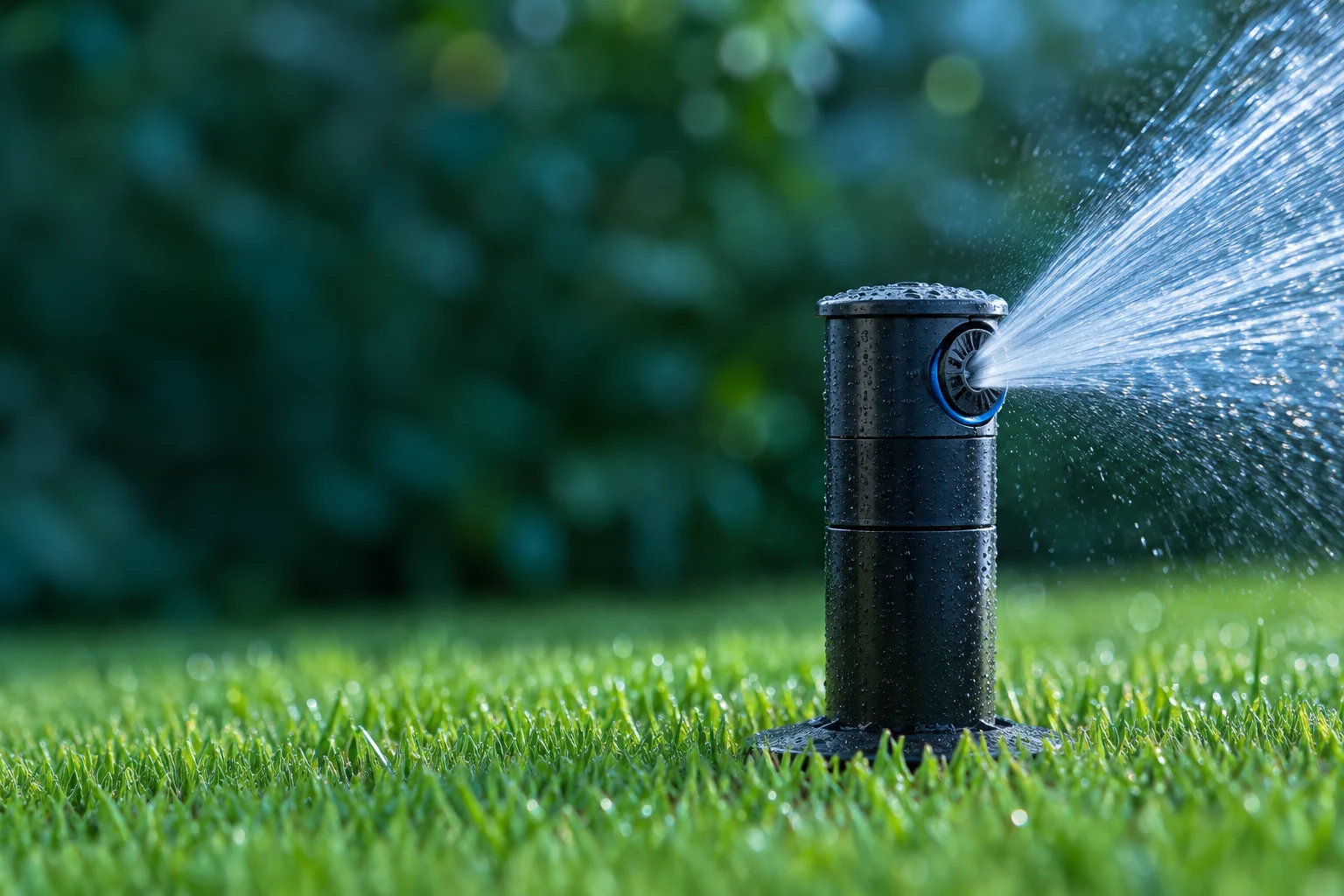
A sprinkler problem can show up as a geyser beside the driveway, a dry patch in the lawn, or a zone that never starts. Sometimes the symptom is obvious; sometimes the system simply stops watering the way it used to. Irri-Tex LLC offers sprinkler system repair in Tyler and East Texas. A useful repair begins by identifying what is actually happening, then matching the work to the cause. That approach helps you move from uncertainty to a clear next step without assuming the entire irrigation system needs to be replaced.
Describe the symptom before choosing the fix
Different irrigation problems can produce similar symptoms. A weak spray might come from a damaged head, a blockage, a leak, or a pressure issue affecting a larger part of the system. A zone that will not run could involve settings, wiring, a valve, or another component. Replacing the first visible part may leave the underlying problem untouched. The starting point should be observing the affected zone and understanding whether the concern is isolated or widespread.
Before calling, note which areas are affected and when you first noticed the change. Mention recent landscaping, digging, controller adjustments, power interruptions, or construction. A short video of the system running can be more helpful than a photo of a dry lawn. You do not need to diagnose the failure yourself. Clear observations simply give the service conversation a stronger foundation and help distinguish a new problem from a long-standing coverage limitation.
Broken heads, damaged risers, and poor spray patterns
Sprinkler heads sit where everyday yard activity happens. Mowing, edging, foot traffic, and vehicles can affect exposed equipment. A head may stop rising, remain above ground after watering, leak around its body, or send water in the wrong direction. Plants can also grow into the spray path. These issues may be easy to see once the zone runs, even when they remain hidden during a normal walk across the lawn.
A repair should consider the sprinkler's role in the surrounding zone. Selecting a replacement involves more than finding a part that fits the opening. Spray pattern, intended coverage, operating characteristics, and compatibility matter. After work is completed, observing the zone again helps confirm that the immediate symptom has changed and that adjacent areas still receive appropriate coverage. If several heads share the same problem, it may be worth looking beyond individual components before replacing them one at a time.
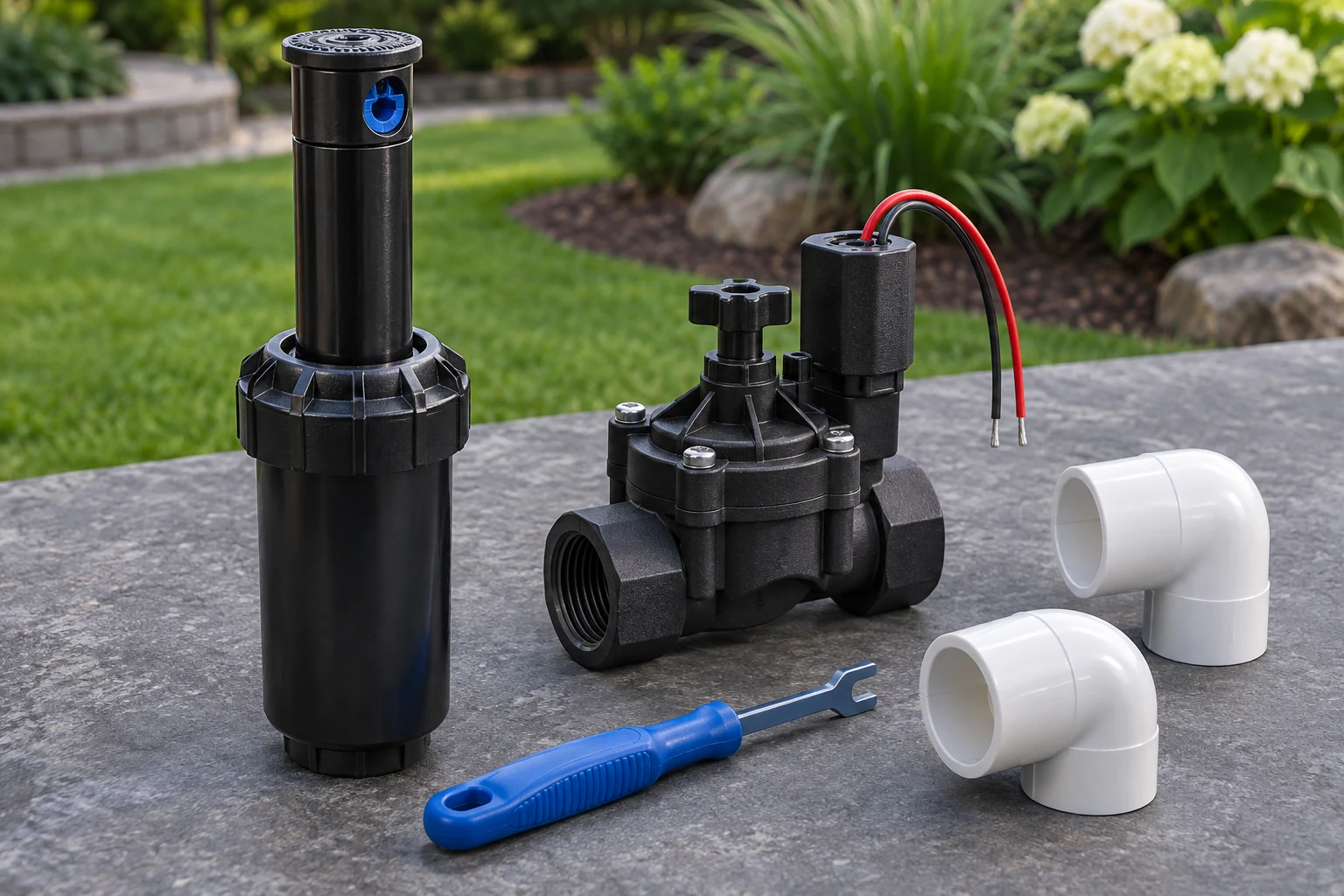
Leaks and wet spots deserve a closer look
A soggy patch does not automatically prove an irrigation leak. Rainwater, runoff from another area, and drainage conditions can create similar wet spots. The pattern matters. Does the area become wet only when one zone operates? Does water continue moving after the irrigation cycle ends? Is there a visible break or unusual flow near a sprinkler? Those observations help separate irrigation concerns from other water-management issues around the property.
When a leak is suspected, avoid letting the system continue through repeated automatic cycles just to see whether it improves. If you can safely pause the controller, doing so can prevent additional scheduled watering while the concern is reviewed. A controller pause does not necessarily stop a pressurized leak or a valve that is stuck open. Describe whether water continues after shutdown, and ask for guidance on the appropriate next step for your particular system.
When a zone will not start or will not stop
An irrigation zone relies on several parts working together. The controller sends a signal, wiring carries it, and a valve allows water to reach the sprinklers. A failure anywhere along that path can interrupt operation. That is why a blank controller screen, a single inactive zone, and every zone failing at once are different clues. Record any message shown on the controller rather than clearing it before the service discussion.
A zone that keeps running after its scheduled cycle deserves attention as well. Avoid opening unfamiliar electrical equipment or taking apart pressurized components to investigate. Instead, explain whether the controller indicates that the zone is still active and whether the flow changes when automatic operation is paused. The repair scope can then be based on inspection. Ask which component is responsible, what replacement is proposed if needed, and how normal operation will be checked afterward.
Repair, adjustment, or a larger system change?
Not every disappointing watering result requires a major repair. A tilted head, obstructed nozzle, or unsuitable setting may call for an adjustment. Conversely, repeatedly extending runtimes will not fix a broken component or a layout that no longer suits the landscape. Mature shrubs, a new fence, and an expanded patio can all change what the system needs to accomplish. Identifying whether the issue is mechanical, programming-related, or tied to the site helps keep the conversation practical.
Ask for a clear explanation of the recommended work and any separate concerns discovered during the visit. An immediate repair and a future improvement are different decisions. You may need to address a failed component now while considering changes to coverage later. If the system generally works but needs a broader review, a sprinkler system tune-up may fit better. If an area has never been irrigated, discussing installation may be the appropriate route.
Make the repair visit easier to evaluate
Provide access to the controller and any known valve boxes, and explain where pets will be secured. If you have a zone map, previous service notes, or equipment model information, keep those available. Ask how the repair scope and any changes in cost will be communicated before additional work proceeds. The aim is an understandable service decision, with enough information to know what problem is being addressed and what remains outside the scope.
After the work, review the affected area during operation where practical. Keep a note of the repaired component and any settings that changed. Continue observing the lawn because plant recovery and soil conditions may take time to reveal the full result of restored watering. For sprinkler repair in Tyler and East Texas, contact Irri-Tex LLC at 903-752-4861. Describe the symptom, the affected zone or area, and whether water is currently escaping so the initial conversation can focus on the right concern.
Sprinkler Repair: your questions answered
Why is one sprinkler zone weaker than the others?
Possible causes include a leak, blockage, valve issue, or other restriction affecting that zone. Individual sprinkler damage can also change the visible pattern. The symptom alone is not enough to identify the cause. Observing the complete zone and comparing it with normal operation helps guide the inspection.
Should I turn off the system when I see a leak?
Pause automatic watering if you can do so safely, and note whether the water stops. Some leaks can continue even with the controller off. Avoid unfamiliar shutoffs or electrical components. Call to explain what is happening and get guidance specific to the equipment and conditions at your property.
Does a brown patch always mean my sprinklers are broken?
No. A dry-looking patch can have several causes, and irrigation is only one possibility. Watch whether water actually reaches the area and whether nearby sprinklers operate normally. If watering coverage looks adequate, the lawn may need a separate evaluation for soil, plant health, or other conditions.
Can a repair be quoted from a photo?
Photos can help explain a visible problem, but they may not reveal underground damage, valve operation, or the condition of nearby components. Ask what can be established remotely and what needs on-site inspection. A final scope should reflect the diagnosed issue rather than an assumption based on appearance alone.
Who handles broken sprinkler heads in Tyler, TX?
Irri-Tex LLC offers sprinkler repair in Tyler and East Texas. Call 903-752-4861 with your location and a description of the damaged head or affected zone. The appropriate replacement and any related work should be confirmed for the existing system.
Why does water collect around a sprinkler after it shuts off?
Persistent pooling can indicate a leak or a valve that is not closing properly, although the timing and system layout need to be assessed. Note whether the water stops shortly after a cycle or continues between cycles. That distinction can help explain the concern.
Let’s talk about your property.
Contact Irri-Tex LLC at 903-752-4861 to discuss sprinkler repair in Tyler and East Texas. Share your location, what you’re seeing, and what you’d like to accomplish.
Start a project conversation