
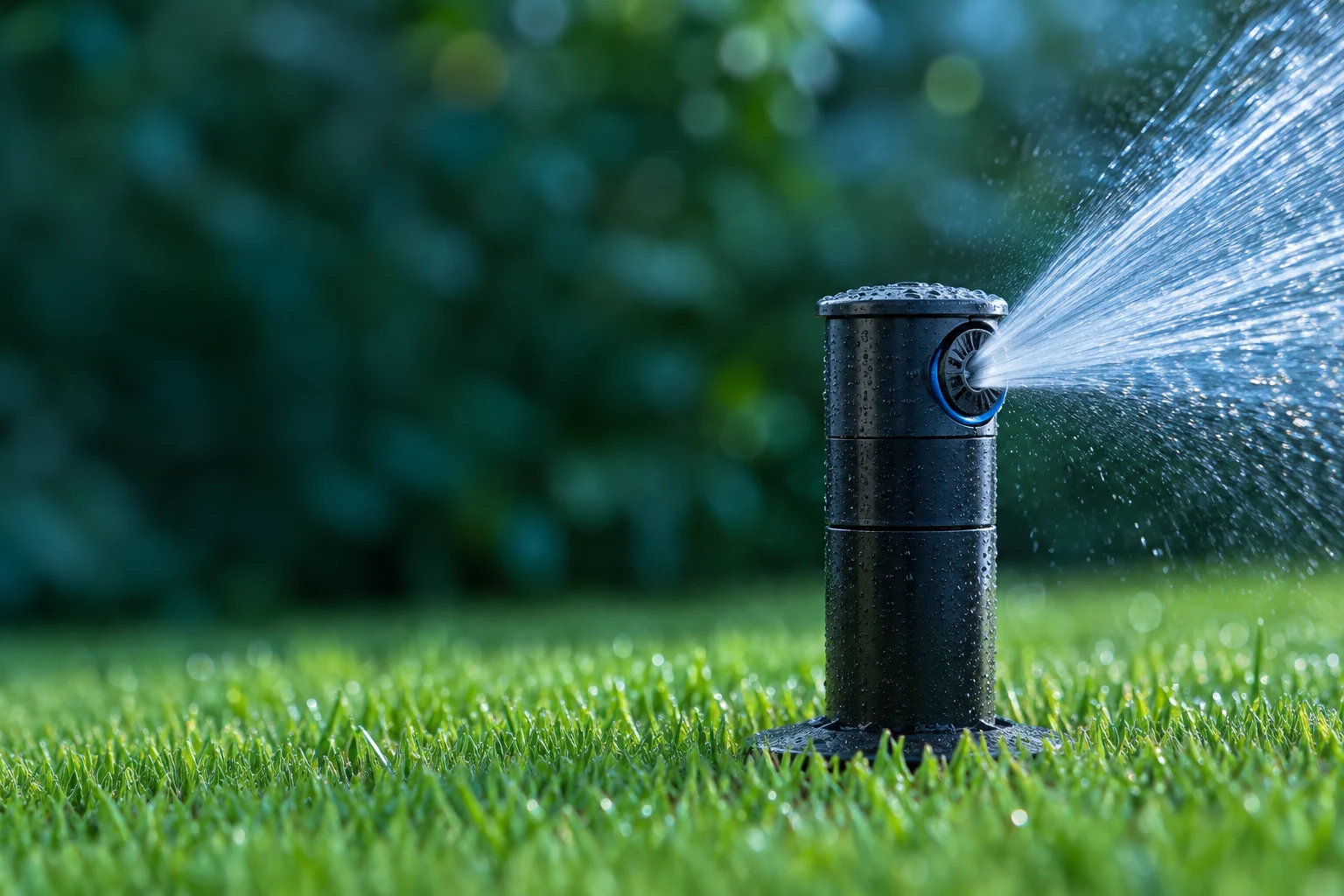
A great lawn starts with a watering system that fits the property. Irri-Tex LLC offers sprinkler system installation in Tyler and East Texas for homeowners ready to move beyond dragging hoses, shifting portable sprinklers, and guessing which areas received enough water. A new irrigation system should make everyday care more manageable while giving each part of the landscape appropriate coverage. The starting point is a thoughtful look at the yard, the water supply, and how you intend to use the space. From there, the project can be shaped around practical needs instead of a one-size-fits-all layout.
Start with the landscape you actually have
Every property presents a different combination of open lawn, narrow strips, planting beds, trees, hardscape, and shaded corners. A sprinkler layout should account for those differences. A sunny front lawn may need different scheduling from a sheltered side yard. A bed that will eventually hold larger shrubs needs a plan that considers their mature size. Walking the property before installation helps identify those distinctions and gives you a chance to explain where the current watering routine falls short.
It is also useful to discuss upcoming changes. A future patio, fence, pool, storage building, or expanded flower bed can affect where irrigation equipment belongs. Planning around those possibilities may reduce avoidable rework later. Bring any available survey or landscape sketch to the conversation, and point out known underground lines, septic components, and areas that stay wet. The more complete the picture, the more useful the installation discussion becomes.
Build the plan around zones and water delivery
An automatic sprinkler system divides the landscape into zones that operate separately. This allows the system to work within the available water supply while giving different areas their own watering settings. The right number of zones depends on the property and the proposed equipment. Square footage alone cannot establish the entire design. Water pressure, available flow, pipe routing, elevation changes, and the needs of the landscape all influence the plan.
Sprinkler placement matters just as much as the number of heads. Coverage should be considered across the entire watered area, including edges and corners. Sprays should be directed toward plants and lawn rather than driveways, walls, or the street. Compatible sprinkler types and appropriate spacing help create a more consistent result. During your consultation, ask how the proposed layout addresses narrow spaces and obstacles, and how you will identify each zone when using the controller.
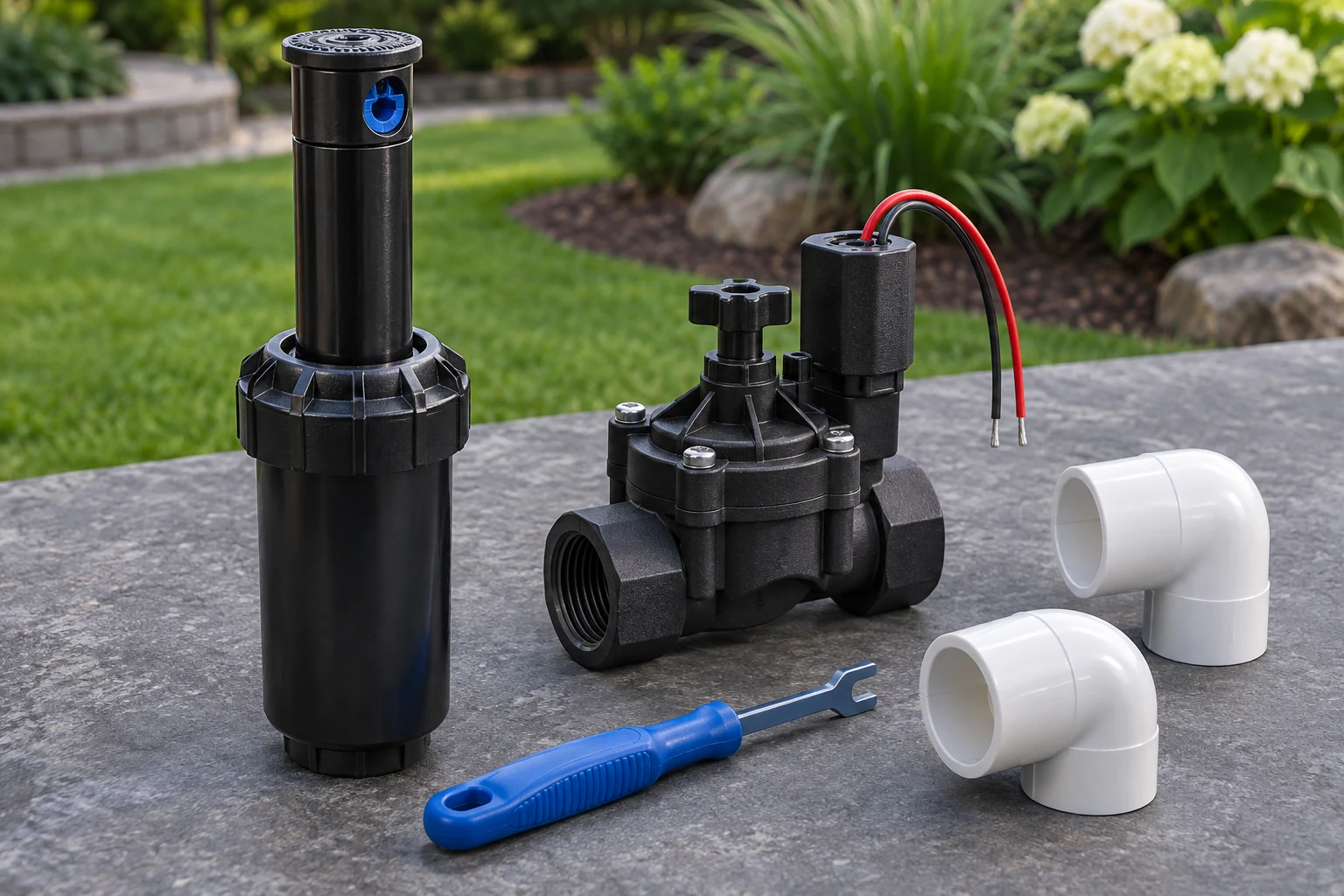
Choose controls you will feel comfortable using
The controller is the part of the system most homeowners interact with regularly. Its layout, display, and programming should suit the person who will actually use it. Some households prefer a straightforward controller with familiar buttons. Others want to discuss weather-responsive settings or app access where compatible equipment and connectivity make sense. An impressive feature list has limited value if changing a schedule becomes a chore.
Ask what is included in the proposed equipment package, which features require an internet connection, and whether any optional services carry ongoing costs. A new installation is also a good time to discuss rain sensing and how the system should respond when irrigation is unnecessary. No controller eliminates the need to observe the yard. The goal is a manageable starting schedule, clear operating instructions, and a practical way to make adjustments as the landscape and seasons change.
Know what the installation scope includes
Before authorizing a sprinkler installation, request a clear written scope. It should identify the areas receiving irrigation, the major equipment, the work needed to connect the system, and any exclusions. Discuss access through gates, pets, parked vehicles, and restrictions on where materials can be placed. Underground work can disturb soil and existing lawn, so the expected condition of the yard after installation deserves a specific conversation rather than an assumption.
Project timing also depends on more than the size of the lawn. Access, existing site conditions, weather, and any required coordination can influence the sequence. Ask how changes will be handled if an unexpected condition appears during the work. Keeping the scope understandable helps you compare proposals fairly. It also lets you separate essential installation work from optional equipment choices, future landscape improvements, or repairs that fall outside the original plan.
Turn startup into a useful homeowner walkthrough
Once a system is installed, a walkthrough can connect the equipment underground to the controls you see every day. Ask to review each zone, its general coverage area, and the settings that have been entered. Understanding the difference between a start time and a zone runtime is particularly helpful. On many controllers, adding start times causes the whole program to run again, which can lead to far more watering than intended.
Keep the controller model, equipment information, and any available layout records in one place. Learn how to pause automatic watering and how to recognize an obvious problem such as a broken head or water flowing where it should not. A well-documented handoff gives you a useful reference when landscaping changes or service is needed later. It also makes it easier to explain a specific concern instead of describing the entire system as simply not working.
Plan for the life of the system
Irrigation installation is the beginning of an ongoing relationship with the landscape. Grass grows around sprinkler heads, shrubs expand, and normal yard activity can change the way water reaches its target. Occasional observation helps catch those changes. Watch a complete watering cycle periodically, especially after mowing, landscape work, or a change in season. Look for blocked spray patterns, visibly damaged equipment, and runoff that appears before a zone finishes.
A sprinkler system tune-up can help review coverage and settings as conditions change. If a specific component fails, sprinkler repair may be the more appropriate next step. Irri-Tex LLC lists both services alongside new installation, making it easy to begin a conversation about the stage your property has reached. For sprinkler system installation in Tyler, call 903-752-4861 and describe your property, your current watering method, and the improvements you want to explore.
Sprinkler Installation: your questions answered
How much does a new sprinkler system cost?
A useful estimate requires details about the property and proposed scope. The irrigated area, available water supply, number of zones, access, equipment, and site conditions can all influence cost. Ask for a written proposal that explains what is included so you can compare the complete installation rather than a headline price.
Can a system be installed in an established lawn?
An existing lawn can be evaluated for a new irrigation system. Discuss access, underground obstacles, existing landscaping, and how disturbed areas will be addressed. The best approach depends on the actual site. A property review is more useful than assuming every established yard will require the same installation method.
Will every part of my yard use the same schedule?
Not necessarily. Lawn, planting beds, sun exposure, shade, and sprinkler types can call for different settings. Separating suitable areas into zones creates flexibility. Your initial schedule should be reviewed over time using actual landscape conditions and applicable watering requirements rather than left unchanged throughout the year.
What should I prepare before discussing installation?
Have your property location, a rough description of the areas to irrigate, and any available landscape plans ready. Mention future construction, known underground systems, and access limitations. Photos can help explain the project, but an on-site assessment may still be needed to establish the final design and scope.
Can I add irrigation to flower beds as well as the lawn?
Yes, those areas can be included in the planning conversation. Beds and open turf may need different equipment and scheduling. Explain what is planted now, what may change, and which areas are outside the proposed scope before the layout is finalized.
What should an irrigation installation quote include?
Ask for a description of the areas served, proposed equipment and controls, installation work, surface restoration, and operating guidance. Clarify responsibilities, exclusions, and how changes are handled. Compare the actual scope rather than assuming two quotes describe the same system.
Let’s talk about your property.
Contact Irri-Tex LLC at 903-752-4861 to discuss sprinkler installation in Tyler and East Texas. Share your location, what you’re seeing, and what you’d like to accomplish.
Start a project conversation