
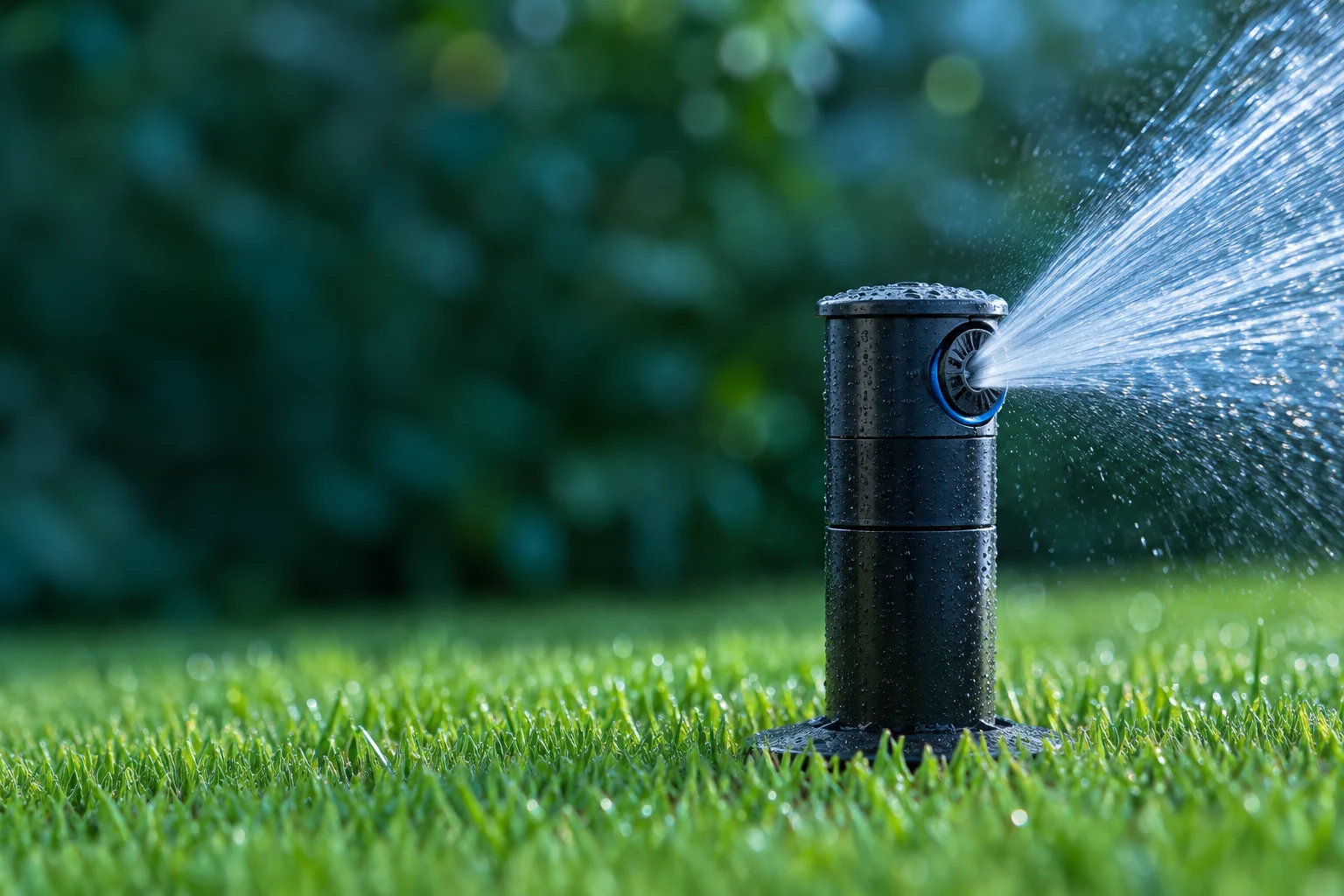
A sprinkler system can run on schedule and still miss the mark. Heads shift, plants grow, and controller settings can remain unchanged long after the weather or landscape has moved on. Irri-Tex LLC offers sprinkler system tune-ups in Tyler and East Texas for homeowners who want a clearer picture of how their irrigation is performing. A tune-up is an opportunity to review the system as a whole, identify visible concerns, and discuss practical adjustments. It is especially useful when the equipment mostly works but the watering results have become uneven, confusing, or difficult to manage.
Look at the complete watering cycle
Many sprinkler problems stay unnoticed because automatic watering happens when nobody is watching. A system may start before the household wakes up, run behind a fence, or operate in a side yard that receives little attention. Watching each zone turns an invisible routine into something you can evaluate. It helps reveal spray hitting pavement, heads buried by grass, water blocked by shrubs, and areas receiving noticeably different coverage from the rest of the yard.
A tune-up conversation should begin with the results you have noticed. Perhaps one corner stays dry, the sidewalk is wet every morning, or a flower bed appears saturated after the lawn finishes watering. Point out those locations rather than only describing the controller settings. Looking at the equipment and the landscape together gives the review a purpose. The goal is to understand how the current setup behaves, then identify the adjustments or separate repairs that deserve attention.
Review heads, nozzles, and changing obstacles
An established landscape rarely stays exactly as it was when irrigation was installed. Grass thickens, soil settles, edging changes, and shrubs spread into formerly open spaces. A sprinkler that once had a clear path may now water the back of a plant instead of the lawn beyond it. A head leaning slightly toward a driveway can send part of its pattern away from the intended area. These small changes can add up across a property.
Discuss whether the tune-up includes checking visible sprinkler position, direction, and obvious obstruction, and how damaged parts are handled if found. Adjustment is not always enough. A cracked body, malfunctioning nozzle, or head that will not retract may require a separate repair or replacement. Ask to distinguish those findings from routine fine-tuning. That clarity helps you understand the condition of the system without treating every observation as an automatic instruction to replace equipment.
Make controller settings understandable
Controllers can accumulate confusing settings over time. A new start time may be added without removing an old one, or a seasonal adjustment may remain active after conditions change. Multiple programs can overlap in ways that are not obvious from a quick glance at the screen. Reviewing the complete schedule helps you understand when each zone runs, how long it operates, and whether the same area is being watered more often than you intended.
Bring your questions to the review. Ask how to pause irrigation after rain, where to find the active program, and which setting changes the length of a zone's watering cycle. If your controller has weather-responsive functions, ask how those features interact with the schedule already entered. Clear instructions matter more than a complicated collection of settings. Keep a simple record of the final program so you can recognize accidental changes and explain the setup during future service calls.
Match watering to conditions instead of the calendar alone
A useful watering routine responds to what is happening in the landscape. Recent rain, plant needs, soil conditions, shade, and sprinkler performance all influence how irrigation should be used. There is no single runtime that suits every Tyler lawn or every zone within a property. A tune-up can start the conversation about how to observe those differences and what information is needed before making meaningful scheduling changes.
Runoff is one sign that deserves attention. When water moves away from the intended area before the cycle finishes, simply increasing the runtime can make the problem worse. Depending on the site and equipment, shorter watering periods separated by soak time may be worth discussing. Persistent wet areas can also point to drainage or leak concerns rather than a scheduling issue alone. The right adjustment depends on the cause, so observations should guide the discussion instead of a universal timer setting.
Use a tune-up to prioritize the next steps
A system review may uncover a mix of small adjustments and larger issues. It helps to sort those findings by what each one means for the property. A head aimed at the street might need a straightforward correction. A zone that cannot operate normally may need diagnosis and repair. A lawn area blocked by a new addition may require a change in layout. Those are related concerns, but they do not necessarily belong in the same service scope.
Ask for a plain-language explanation of what was checked, what changed, and what still needs a decision. If replacement parts or additional work are proposed, request the scope before proceeding. Keep any notes with your controller information and prior service records. Over time, this simple history can help you recognize recurring issues and avoid repeating the same conversation from the beginning whenever someone looks at the irrigation system.
Choose useful times for an irrigation review
A tune-up can be helpful when regular watering resumes after a quiet period, when a new season changes landscape needs, or after noticeable work around the yard. Buying a home with an unfamiliar irrigation system is another good reason to learn how the zones and controller fit together. You do not have to wait for a dramatic failure to ask whether the setup is operating as intended.
Between service visits, periodically observe a full cycle and note anything that looks different. Keep sprinkler areas clear of stored items, and pay attention after mowing or landscape changes. If you find an active leak or a zone that will not shut off, discuss repair rather than treating it as routine maintenance. For a sprinkler system tune-up in Tyler or East Texas, call Irri-Tex LLC at 903-752-4861 and describe your current concerns, controller familiarity, and any recent changes to the property.
Sprinkler Tune-Up: your questions answered
How is a sprinkler tune-up different from a repair?
A tune-up focuses on reviewing operation, coverage, and settings, while a repair addresses a diagnosed failure or damaged component. The two can overlap when a review reveals a problem. Ask which adjustments are included in the tune-up and how any parts or additional repair work will be quoted.
How often should I have my irrigation system checked?
The appropriate interval depends on the system, landscape, and how closely you monitor operation. A review can be useful around seasonal changes or after landscaping work. Visible leaks, damaged heads, and zones that do not operate normally deserve attention when they appear rather than waiting for a routine appointment.
Will a tune-up lower my water bill?
Correcting unnecessary watering or visible waste may reduce avoidable use, but results depend on the starting condition and subsequent watering habits. No specific savings should be assumed. The practical goal is to understand the system, address identified concerns, and use settings appropriate to the landscape and current conditions.
What information should I have ready?
Provide access to the controller, mention any known zone map, and identify areas that seem too wet or too dry. Share recent landscape changes and any settings you have adjusted. If the system has an app, know how to access it without sharing personal account credentials unnecessarily.
Can a tune-up help when sprinklers water the sidewalk?
Spray direction and coverage are useful items to discuss during a tune-up. Tell Irri-Tex which heads overspray and whether landscaping has changed around them. Correcting the pattern may involve adjustments or a separate equipment change, depending on the existing setup.
Should I change my sprinkler schedule after landscaping changes?
A changed lawn, new planting beds, or larger shrubs can justify reviewing coverage and settings. Describe the changes and your existing schedule. Ask whether the current equipment still fits the layout before assuming a longer run time will solve the problem.
Let’s talk about your property.
Contact Irri-Tex LLC at 903-752-4861 to discuss sprinkler tune-up in Tyler and East Texas. Share your location, what you’re seeing, and what you’d like to accomplish.
Start a project conversation